In modern life, scent shapes our mood, emotions, and well-being, and helps us relax. When the topic of fragrance comes up, two terms appear most often: natural essential oils and synthetic fragrances. Many people still confuse the two, and that confusion can lead to choices that affect both health and the overall scent experience. In this article, Catchers will help you understand the differences between natural essential oils and synthetic fragrances in detail.
1. What Are Natural Essential Oils?
Natural Essential Oils
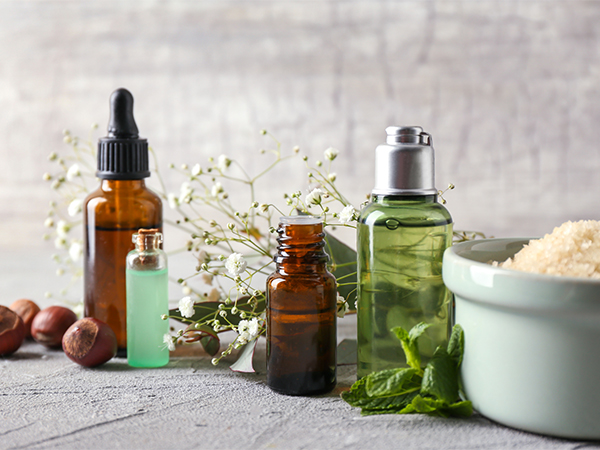
Natural essential oils are concentrated aromatic liquids made up of volatile aromatic compounds. They are extracted from the leaves, flowers, roots, stems, or other parts of plants, typically through methods such as steam distillation or cold pressing.
Types of Natural Essential Oils
Natural essential oils are grouped into different categories based on their source and use. Catchers offers more than 500 varieties of natural essential oils, each with its own distinctive scent and benefits. Here are some of the most popular
- Peppermint Essential Oil: used to boost energy and support digestion.
- Lavender Essential Oil: used to relieve stress and promote mental relaxation.
- Sandalwood Essential Oil: used to calm the mind and improve focus.
- Bergamot Essential Oil: used to reduce stress and improve skin condition.
- Lemon Essential Oil:L used to support digestion, lift mood, and ease headaches.
Uses of Natural Essential Oils
Aromatherapy
Aromatherapy is the practice of using essential oils to improve mental and physical well-being. Oils are diffused into the air through diffusers, oil burners, or scented candles. Their aromas help reduce stress and anxiety, improve sleep, and sharpen focus.
Massage Oils
Combining massage with essential oils is an effective way to relieve muscle pain, ease mental tension, and improve circulation. Essential oils should be diluted with a carrier oil before being applied to the skin to avoid irritation.
Skincare
Diluted essential oils can help treat skin issues such as acne and dermatitis. They also moisturize, soften the skin, and reduce visible signs of aging.
2. What Are Synthetic Fragrances?
Fragrances
Fragrances are aromatic compounds either synthesized in a laboratory or extracted from natural sources, used to give products a desired scent. Fragrances are not inherently harmful — what matters most is their origin and quality.
Types of Fragrances
Fragrances fall into two main categories:
Synthetic fragrances: Created from man-made chemical compounds, capable of mimicking natural scents or producing entirely unique aromas not found in nature.
Natural fragrances (natural extracts): Derived from plant extraction, but still chemically processed to stabilize the scent and extend its longevity.
Uses of Fragrances
Fragrances have become an indispensable part of modern life. With their distinctive and varied aromas, they appear across many industries — from cosmetics and food to everyday household products:
Cosmetics
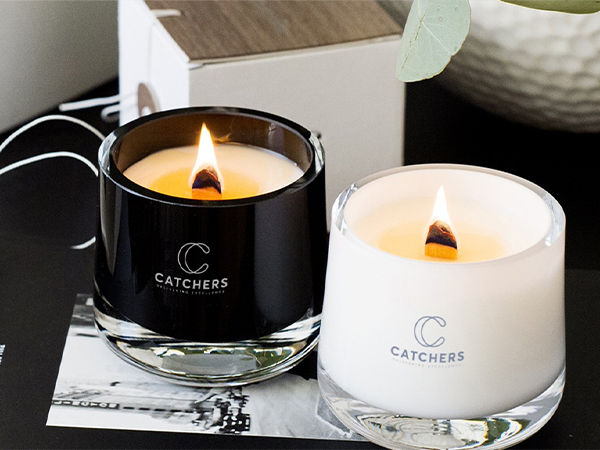
Fragrances are used in perfumes, moisturizers, lipsticks, shampoos, body washes, and more. They enhance the user experience through scent, creating feelings of relaxation and comfort. Scented wax, candles, and diffuser oils also rely heavily on fragrances to produce their signature aromas.
Food and Beverage
Food-grade fragrances are used to enhance the flavor of foods and drinks such as confections and soft drinks. The varieties are wide-ranging, including meat, seafood, vegetable, fruit, honey, and vanilla flavorings.
Household Products
Fragrances give household cleaning products such as fabric softeners and dish soaps a pleasant scent, evoking a sense of cleanliness and ease.
3. Comparison Table: Natural Essential Oils vs. Synthetic Fragrances
| Criterion | Essential Oils | Fragrances |
|---|---|---|
| Origin | Leaves, flowers, roots, stems, or other parts of plants | Chemicals |
| Production Method | Distillation | Chemical synthesis |
| Aroma | Natural, refined, varies with the harvest season | Stable; simulates natural scents |
| Volatility | Highly volatile; requires support tools such as diffusers and oil burners | Less volatile; scent lingers longer |
4. Conclusion
We hope this article has given you a clearer understanding of the differences between natural essential oils and synthetic fragrances. Both have their own value — what matters most is choosing products from a reputable source that fits your needs.
It’s also worth taking a balanced view of synthetic fragrances — not all of them are harmful. When sourced transparently and produced to safety standards, they pose no negative impact on health. In fact, we encounter fragrances every day in products like toothpaste, laundry detergent, perfume, and cosmetics, often without realizing it.
Be a smart consumer and stay informed about the products you use. Choose what fits your needs while protecting your health and your family’s well-being. And don’t forget to follow Catchers for more articles like this one!